 yuka
yuka If you have two days in Kanazawa, you can do more than just see the famous places.
You start to notice how the city fits together. It’s actually quite interesting.
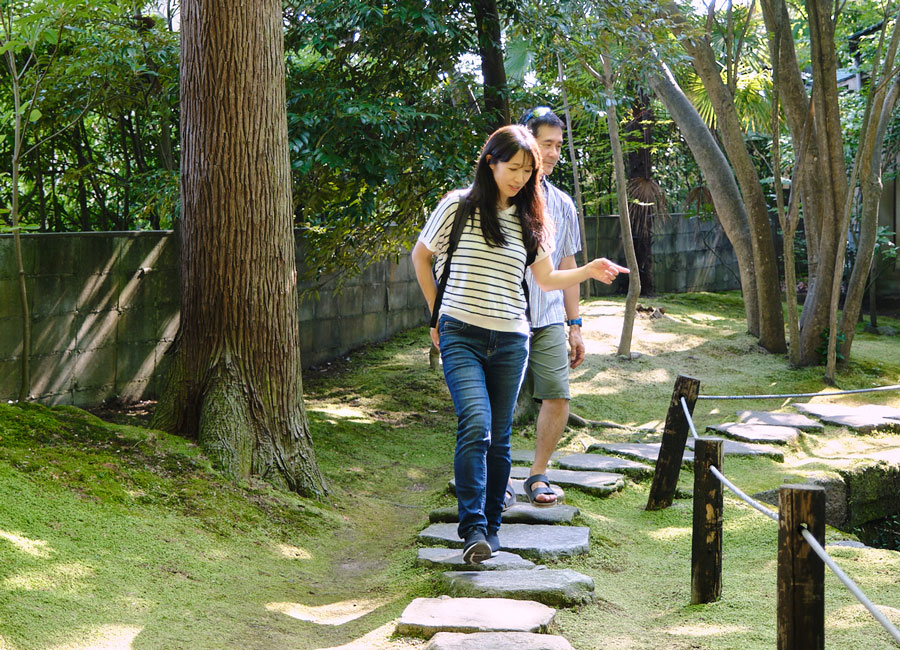
I’ve lived here for almost 30 years, and honestly, what I care about most when I guide people is not just showing places, but helping them feel something at each stop.
Kanazawa wasn’t built randomly. It was carefully planned in the Edo period, and you can still feel it even today.
Concept: Samurai vs Merchant Culture
To understand Kanazawa, I want you to look at the city in two ways: samurai culture and merchant culture.
In the Edo period, samurai lived close to the castle, because the castle was where they worked. Merchants and artisans lived in different areas, where they built culture, food, and entertainment.
Because of this, life was different depending on where you were. Even today, you can still feel that difference as you walk around the city.
Day 1: Samurai Culture
Start your first day by following the life of the samurai. The key is not just visiting places, but understanding how they are physically connected.
Kenrokuen Garden
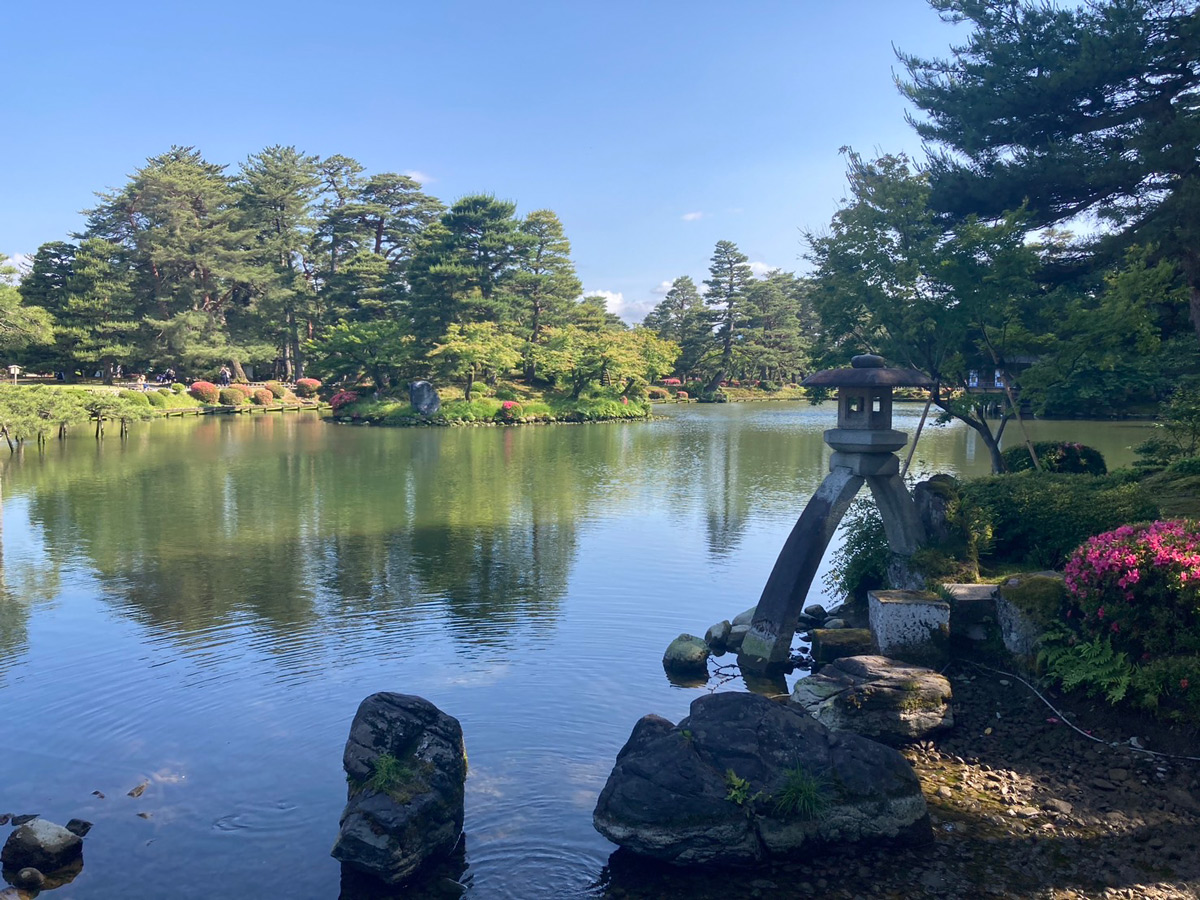
Kenrokuen Garden is one of Japan’s most famous gardens, originally designed as a strolling garden by the Maeda family. It was mainly used to host important guests. The beauty of the garden has attracted visitors from all over the world.
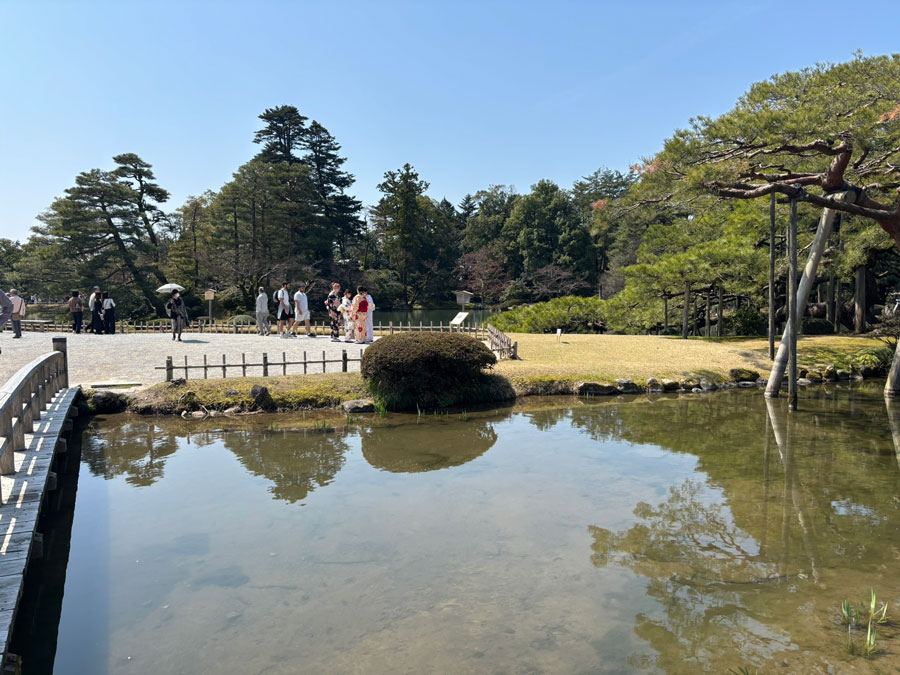
You can learn about the six qualities of Kenrokuen Garden.(link)

Kanazawa Castle
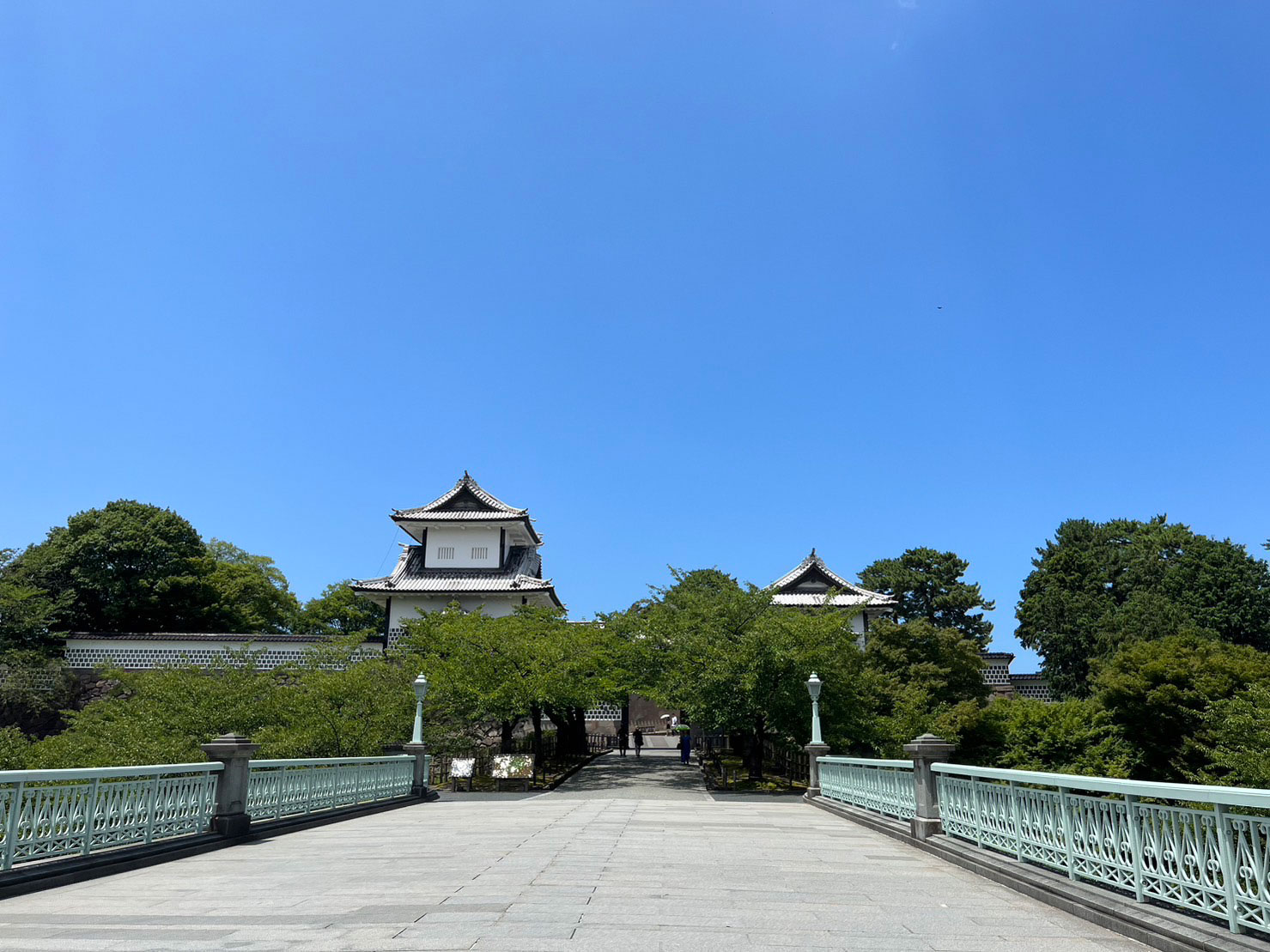
Kanazawa Castle is located right next to Kenrokuen. This place was the military and political center of the Kaga domain. You can enjoy the atmosphere of samurai life in the past. Today, restoration work is ongoing in the Ninomaru area.
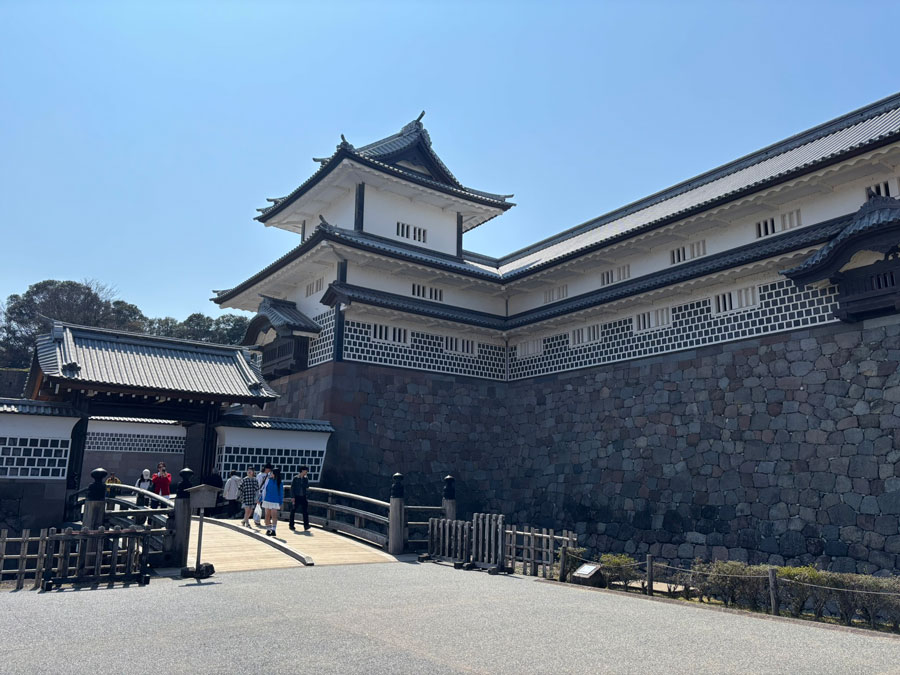
Nagamachi Samurai District
This is where middle-ranking and high-ranking samurai used to live. The narrow, curved streets were designed for defense. The preserved houses give you a sense of their disciplined lifestyle. In the past, they commuted to the castle from this district every day. Just 15 minutes walk from the castle.
Nishi Chaya District
Less crowded than the Higashi Chaya District, this area shows a more private side of traditional entertainment. There are also some of my favorite small museums here.
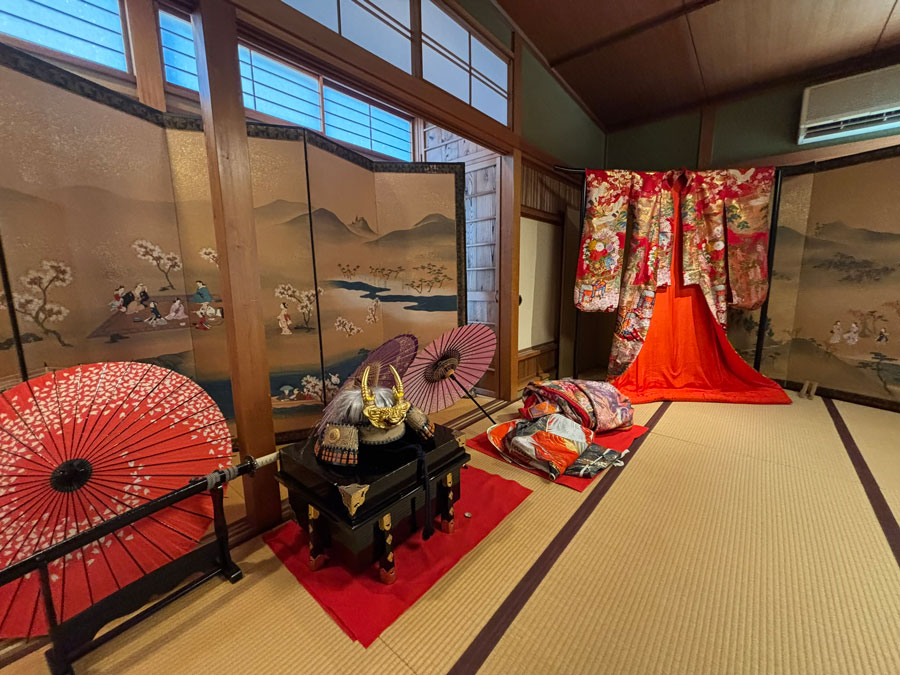
One is the Dolls Museum, where you can see various traditional Japanese dolls and even try on a kimono for photos. Another is the Ninja Museum, where you can learn how ninja worked and see the tools they used.
Just a quick Japanese lesson:
“Nishi” means west, and “Higashi” means east. So, the names show their location relative to the castle.
Myoryuji Temple (Ninja Temple)
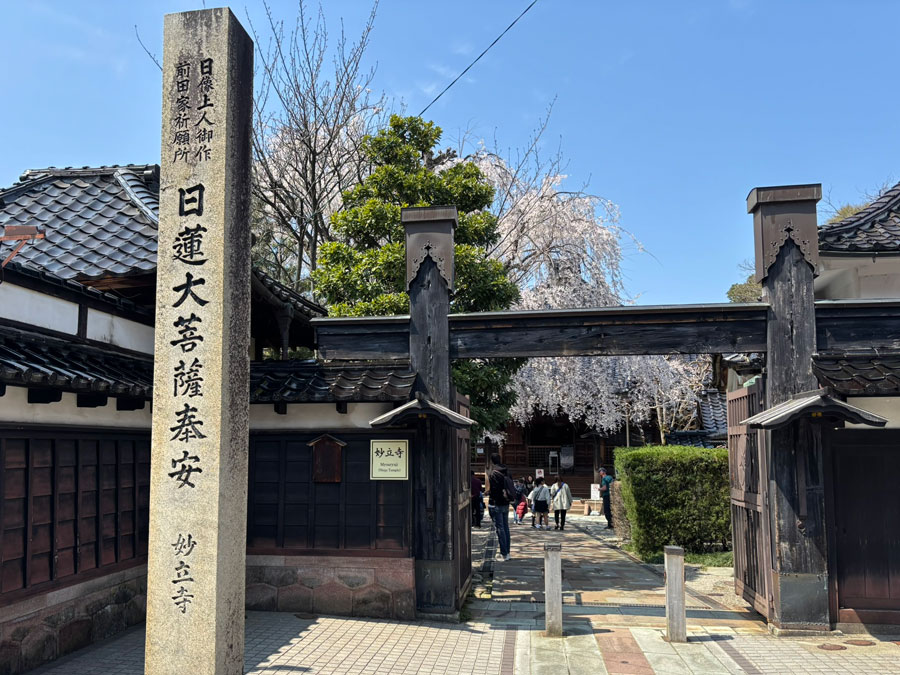
Myoryuji Temple is within walking distance of Nishi Chaya District. It is an interesting building designed as a hidden defensive base. From the outside, it looks like a simple two-story temple, but inside it has multiple levels, secret doors, hidden stairs, and traps. You cannot explore it on your own. You have to join a guided tour. Reservation is required, and the entrance fee is 1,500 yen.
What to focus on: the “daily route of samurai life” from the castle (work), to their homes, to controlled leisure spaces.
Day 2: Merchant, Art & Inner Culture
Day two feels quite different. Now you are looking at the city from the merchant and townspeople’s side. This is where everyday life, food, and entertainment developed. When I walk this area with guests, I often talk about how this side of the city feels more relaxed and creative.
21st Century Museum of Contemporary Art
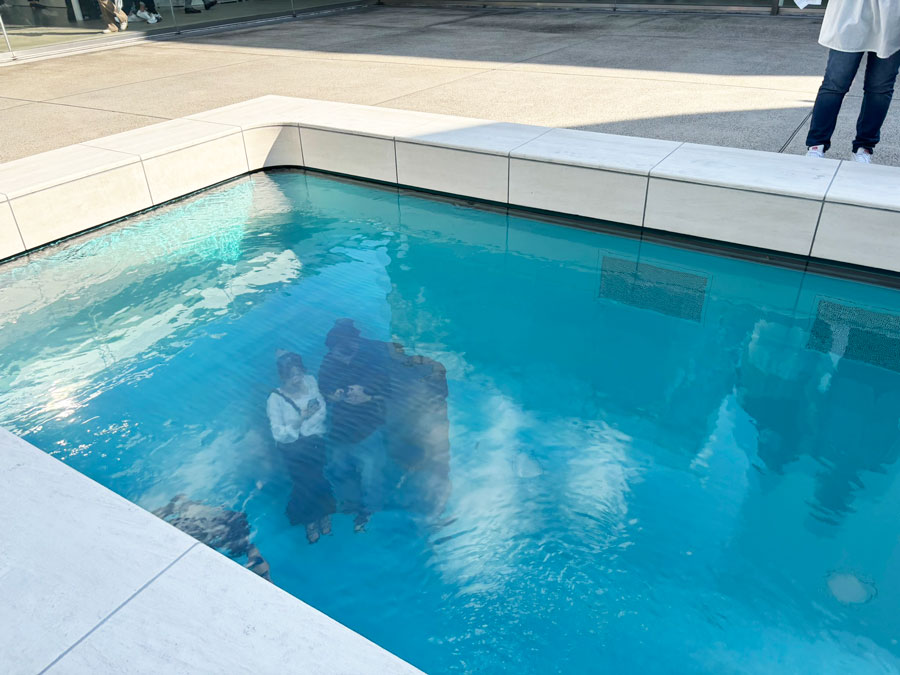
This museum has a very open and unique design. You can enter from multiple directions, almost like a public park. Some areas are free to enter, while others require tickets. The most famous installation is the “Swimming Pool,” which usually requires a reservation. This is where Kanazawa connects tradition with modern creativity.
Kanazawa Noh Museum
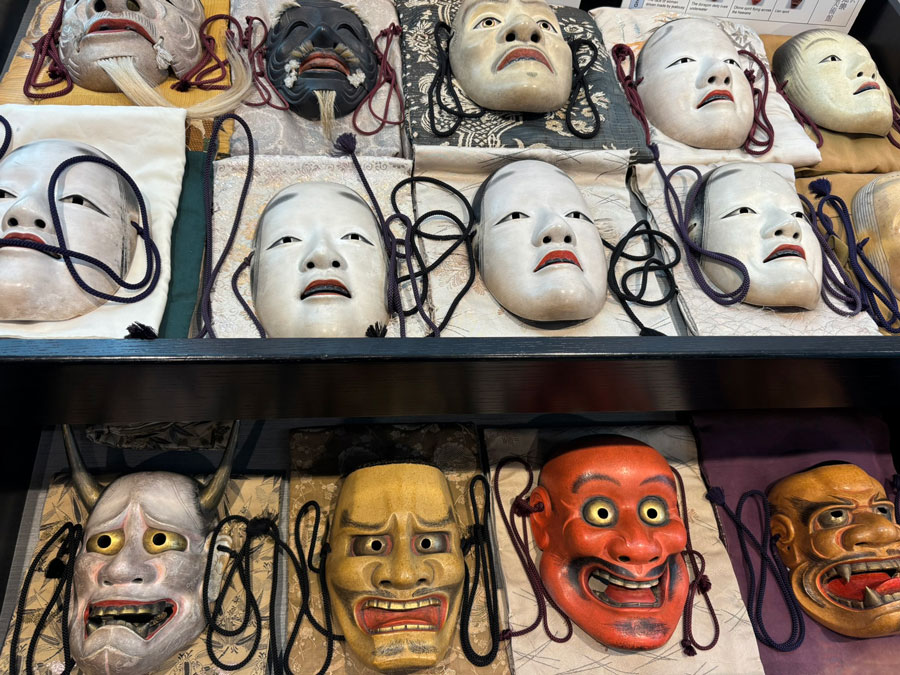
A great place to understand Noh, a traditional performing art with over 700 years of history. On weekends, you can try on costumes and masks for a small fee. It gives you a real sense of how difficult it is to perform on stage.
D.T. Suzuki Museum
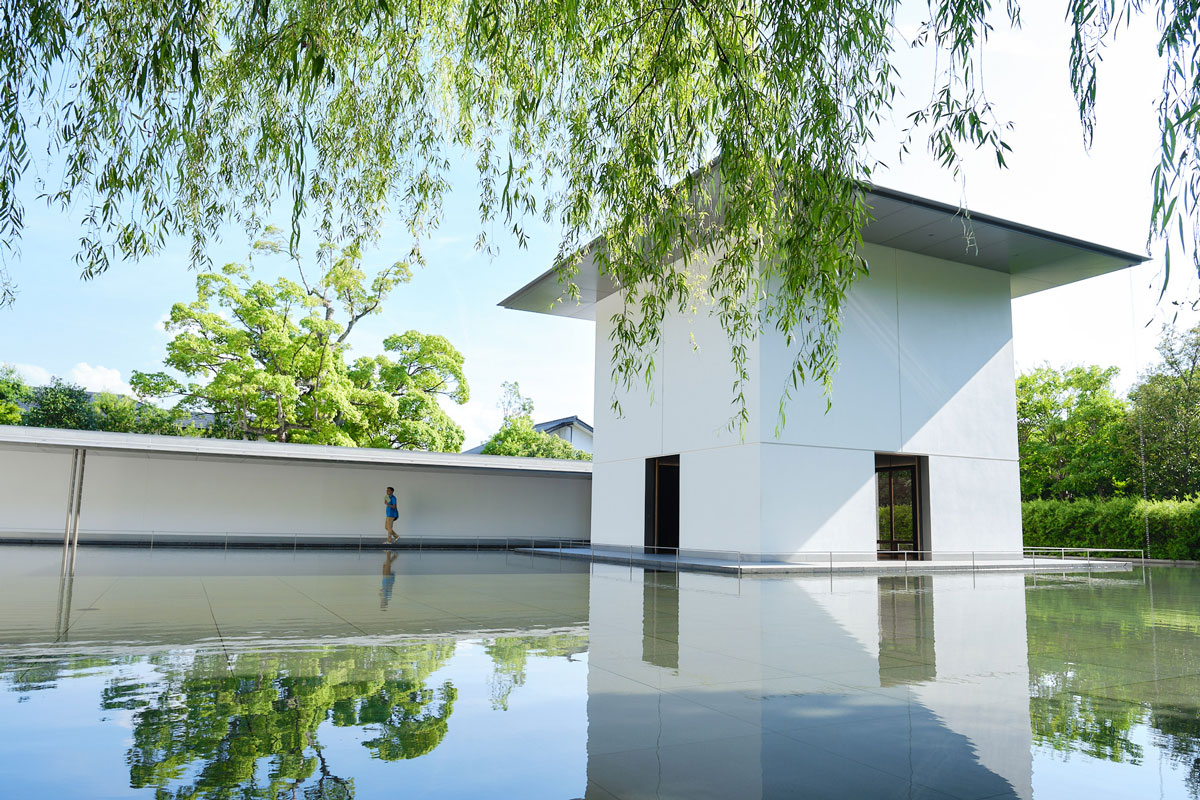
This museum is very quiet and simple. It focuses on a philosopher D.T. Suzuki, who introduced Zen ideas to Western nations. It’s not a typical sightseeing spot. It’s more about slowing down and just being there peacefully.
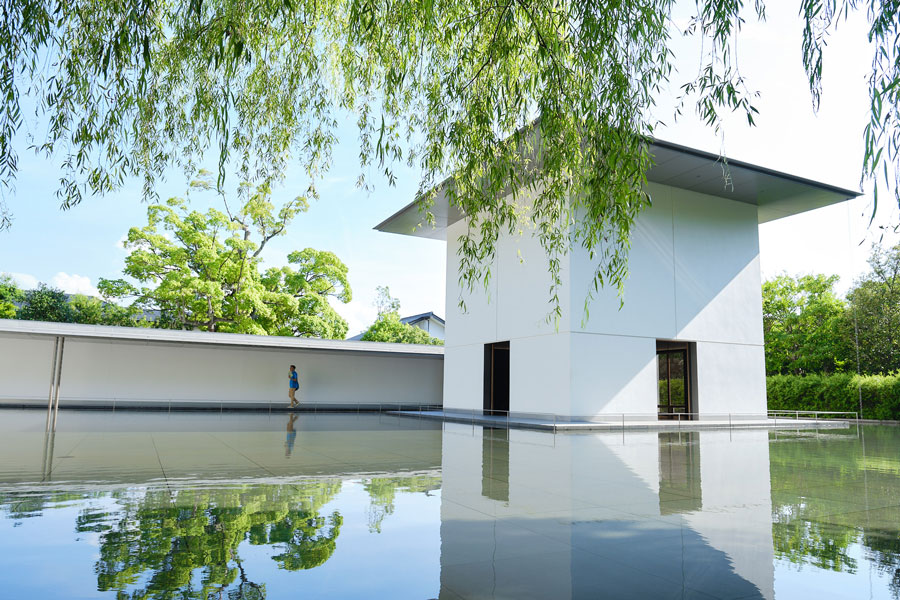
This is actually one of my favorite places in Kanazawa, and I often recommend it to my friends visiting the city. I hope you can spend some quiet time here without distractions. It offers a quiet, relaxing moment and a sense of mindfulness. Even after you leave, the feeling of this place often stays with you.
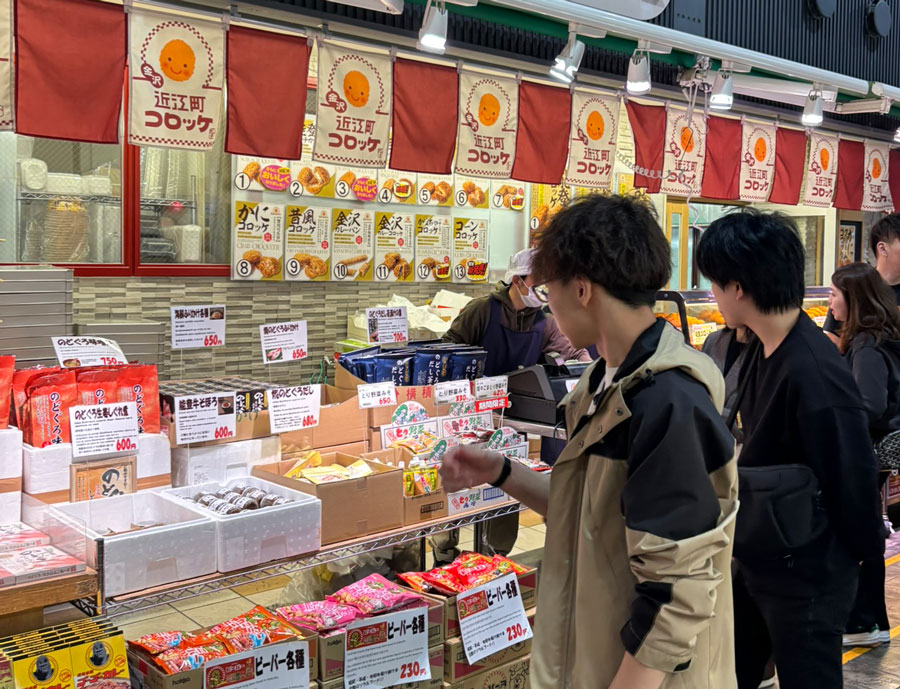
Omicho Market
The kitchen of Kanazawa for over 300 years. It’s popular with both locals and visitors, and known for its fresh seafood.
Higashi Chaya District
A beautifully preserved geisha district where traditional entertainment culture developed.
Kazuemachi Chaya District
A quieter riverside area with a more subtle and atmospheric feel.
What to focus on: how merchant culture supported food, art, and entertainment, and how that spirit continues into modern creativity and even philosophy.
Why This 2-Day Plan Feels Different
Most itineraries simply list places. This one is built around a story. When you understand why the samurai lived where they did, and how merchants developed their own culture separately, the city becomes much more than just a collection of attractions. You start to see patterns, relationships, and intentions behind everything.
If You Have Only One Day
If you only have one day, this itinerary helps you see the highlights efficiently without missing the must-see spots.
If You Have More Time
If you want to go beyond sightseeing and experience Kanazawa deeply, a 3-day itinerary is for you. Coming soon! Stay tuned!
Want to see Kanazawa with me?
I offer private walking tours where you can experience Kanazawa from a local perspective.
Feel free to reach out if you have any questions.